
만약 교과서 속 영어가 아닌, 실제 원어민처럼 자연스럽게 영어로 말하고 싶다면, 원어민들이 일상에서 실제로 사용하는 영어 회화 문장들을 배워야 합니다. 이 가이드는 인사하기부터 음식 주문, 주말 약속 잡기까지, 실제 생활 상황별로 정리된 150개 이상의 바로 쓸 수 있는 문장들을 제공합니다. 복잡한 문법 강의는 없습니다. 지금 당장 필요한 문장들만 모았습니다.
핵심 요약 (Key Takeaways)
- Native speakers rely on a core set of daily use English sentences that repeat in almost every conversation.
원어민들은 거의 모든 대화에서 반복적으로 사용되는 핵심적인 일상 영어 문장들을 활용합니다. - Textbook English often sounds stiff and unnatural — real spoken English is simpler and more relaxed.
교과서 영어는 종종 딱딱하고 부자연스럽게 들리지만, 실제 회화는 더 간단하고 편안합니다. - Learning sentences by situation (greetings, shopping, work) helps you recall them faster when you need them.
상황별로(인사, 쇼핑, 직장 등) 문장을 배우면 필요할 때 더 빠르게 떠올릴 수 있습니다. - Practicing even 10–15 new sentences per day can noticeably improve your fluency within weeks.
매일 10~15개의 새로운 문장만 연습해도 몇 주 안에 유창성이 눈에 띄게 향상될 수 있습니다. - Pair memorization with speaking out loud for the best results.
암기와 동시에 소리 내어 말하는 연습을 병행하면 가장 좋은 결과를 얻을 수 있습니다.
일상 영어 문장 학습이 중요한 이유 (Why Learning Daily Use English Sentences Matters)
교과서 영어와 실제 대화의 차이 (The Gap Between Textbook English and Real Conversations)
대부분의 영어 학원에서 가르쳐주지 않는 사실이 있습니다: 원어민들은 교과서처럼 말하지 않는다는 것이죠.
"Here is something most English classes will not tell you: native speakers do not talk the way textbooks teach."
교과서에서는 "I am doing well, thank you. And yourself?" (잘 지내요, 고마워요. 당신은요?)라고 말하도록 가르칠지 모릅니다.
"A textbook might teach you to say "I am doing well, thank you. And yourself?""
하지만 실제로는 대부분의 미국인들이 "Good, you?" (좋아요, 당신은요?) 또는 "Not bad." (나쁘지 않아요)라고만 말하죠.
"In real life, most Americans just say "Good, you?" or "Not bad.""
교과서 영어와 실제 회화 사이의 이러한 간극이 학습자들이 실제 대화에서 얼어붙는 가장 큰 이유입니다. 문법 규칙은 알지만 사람들이 실제로 어떤 말을 하는지는 모르는 것이죠. 실제 회화 문장을 연습하는 것이 이 간극을 메워줍니다.
"That gap between textbook English and spoken English is the number one reason learners freeze up in real conversations. They know the grammar rules, but they do not know what people actually say. Practicing real spoken sentences closes that gap."
문장 기반 학습이 유창성을 높이는 방법 (How Sentence-Based Learning Accelerates Fluency)
단어 하나하나가 아닌, 문장 전체를 배우면 뇌는 패턴을 인식하기 시작합니다. 단어별로 번역하는 것을 멈추고 덩어리(chunk)로 생각하게 되는 것이죠. 이것이 바로 원어민들이 말하는 방식입니다. 그들은 수천 번 사용해 본 미리 만들어진 덩어리들로 말합니다. 이 덩어리들을 더 많이 흡수할수록 여러분의 영어는 더 빠르고 자연스럽게 들릴 것입니다.
"When you learn whole sentences instead of isolated words, your brain starts to recognize patterns. You stop translating word by word and start thinking in chunks. That is exactly how native speakers talk — in pre-built chunks they have used thousands of times. The more of these chunks you absorb, the faster and more natural your English sounds."

인사 및 스몰 토크를 위한 일상 영어 문장 (Daily Use English Sentences for Greetings and Small Talk)
매일 들을 수 있는 비격식 인사말 (Casual Greetings You'll Hear Every Day)
- Hey, what's up?
야, 무슨 일이야? / 잘 지냈어? - How's it going?
어떻게 지내? - Good morning! How are you?
좋은 아침! 잘 지내니? - Long time no see!
오랜만이야! - What have you been up to?
그동안 뭐하고 지냈어? - Hey there!
안녕! - How's your day going?
오늘 하루 어때? - What's new?
새로운 소식 있어?
대화를 시작하고 마무리하는 정중한 표현 (Polite Ways to Start and End a Conversation)
- It was really nice talking to you.
이야기 나눌 수 있어서 정말 좋았어요. - I should get going, but let's catch up soon.
이제 가봐야겠지만, 곧 다시 만나요. - Excuse me, do you have a minute?
실례합니다만, 잠깐 시간 괜찮으세요? - Sorry, I didn't catch your name.
죄송합니다, 성함을 못 들었어요. - Take care! See you around.
잘 지내요! 조만간 또 봐요. - Have a great rest of your day.
남은 하루 잘 보내세요.
질문하기 위한 일상 영어 문장 (Everyday English Sentences for Asking Questions)
일상적인 상황에서 간단한 질문 (Simple Questions for Everyday Situations)
- What time is it?
지금 몇 시예요? - Where is the nearest bathroom?
가장 가까운 화장실이 어디예요? - How much does this cost?
이거 얼마예요? - Do you know where I can find a pharmacy?
약국이 어디에 있는지 아세요? - Is this seat taken?
이 자리 비었나요? - What does that mean?
그것은 무슨 뜻이에요? - Can you say that again?
다시 말씀해 주시겠어요?
도움이나 정보를 요청하는 정중한 표현 (Polite Ways to Ask for Help or Information)
- Would you mind helping me with this?
이것 좀 도와주시겠어요? - Could you please repeat that?
다시 한번 말씀해 주시겠어요? - I'm sorry to bother you, but could you help me?
죄송합니다만, 혹시 도와주실 수 있으세요? - Do you happen to know the way to the station?
혹시 역으로 가는 길을 아세요? - Is it okay if I ask you a quick question?
간단한 질문 하나 해도 괜찮을까요? - I was wondering if you could point me in the right direction.
제가 올바른 방향으로 가고 있는지 알려주실 수 있으신지 궁금해서요.
쇼핑과 식사를 위한 일상 영어 문장 (Everyday Sentences for Shopping and Dining)
가게에서: 구매 및 둘러볼 때 사용하는 표현 (At the Store: Phrases for Buying and Browsing)
- I'm just looking, thanks.
그냥 구경 중이에요, 고마워요. - Do you have this in a different size?
이것 다른 사이즈로 있나요? - How much is this?
이거 얼마예요? - Can I try this on?
이거 입어봐도 될까요? - Do you accept credit cards?
신용카드 받으세요? - I'll take this one, please.
이걸로 주세요. - Is this on sale?
이거 할인 중인가요? - Where can I find the fitting room?
탈의실은 어디에 있나요?
식당에서: 주문, 요청, 계산 (At a Restaurant: Ordering, Requesting, and Paying)
- Can I see the menu, please?
메뉴판 좀 볼 수 있을까요? - I'll have the grilled chicken, please.
그릴 치킨으로 주세요. - Could I get a glass of water?
물 한 잔 주시겠어요? - Is there anything you recommend?
추천해 주실 만한 것 있으세요? - Check, please.
계산서 주세요. - Can we split the bill?
계산서 나눠서 결제할 수 있을까요? - I'm allergic to nuts — does this have any?
견과류 알레르기가 있는데, 여기에 견과류 들어있나요? - Could I get this to go?
이것 포장해 갈 수 있을까요?

직장 및 학업을 위한 필수 영어 문장 (Essential English Sentences for Work and School)
사무실에서 사용하는 전문적인 표현 (Professional Phrases for the Office)
- I'll get back to you on that.
그 부분에 대해서는 다시 연락드리겠습니다. - Let me check my schedule.
제 일정을 확인해 보겠습니다. - Could we set up a meeting for this week?
이번 주에 회의를 잡을 수 있을까요? - I just wanted to follow up on our last conversation.
지난번 대화에 대해 다시 한번 확인하고 싶었습니다. - I'll send you an email with the details.
자세한 내용은 이메일로 보내드리겠습니다. - That sounds like a great idea.
정말 좋은 생각인 것 같습니다. - Let me know if you need anything from my end.
제 쪽에서 필요한 것이 있으면 알려주세요. - I appreciate your help with this.
이것에 대해 도와주셔서 감사합니다.
수업 및 학업 관련 문장 (Classroom and Study-Related Sentences)
- Could you explain that one more time?
그것을 다시 한번 설명해 주시겠어요? - I didn't quite understand the last part.
마지막 부분이 잘 이해가 안 됐어요. - When is the assignment due?
과제 제출 기한이 언제예요? - Can I borrow your notes?
노트 좀 빌릴 수 있을까요? - What chapters are on the test?
시험에 어떤 챕터가 나오나요? - Do we have homework tonight?
오늘 밤 숙제 있나요? - I need to study for the exam this weekend.
이번 주말에 시험공부를 해야 해요.
의견 및 감정을 표현하는 영어 문장 (English Sentences for Expressing Opinions and Emotions)
동의, 비동의 및 의견 제시 (Agreeing, Disagreeing, and Giving Your View)
- I totally agree with you.
전적으로 동의합니다. - I see your point, but I think differently.
당신의 의견은 이해하지만, 저는 다르게 생각해요. - That's a good point.
그것 좋은 지적이네요. - I'm not so sure about that.
그것에 대해서는 잘 모르겠네요. - In my opinion, it depends on the situation.
제 생각엔 상황에 따라 다릅니다. - I feel the same way.
저도 같은 생각이에요. - Honestly, I think you're right.
솔직히, 당신이 맞는 것 같아요.
일상 영어로 감정 표현하기 (Talking About Feelings in Everyday English)
- I'm so happy for you!
정말 기뻐요! (정말 축하해요!) - That really made my day.
그것 때문에 하루가 정말 즐거웠어요. - I'm a little stressed out right now.
지금 좀 스트레스받고 있어요. - I'm not feeling great today.
오늘 컨디션이 별로 좋지 않아요. - That's so frustrating.
정말 답답하네요. - I can't wait!
기대돼서 못 참겠어요! - I'm kind of nervous about it.
그것 때문에 좀 긴장돼요.
계획을 세우고 사교 활동을 위한 문장 (Sentences for Making Plans and Socializing)
누군가를 초대하고 약속 잡기 (Inviting Someone and Making Arrangements)
- Do you want to grab coffee sometime?
언제 한번 커피 한잔 할까요? - Are you free this weekend?
이번 주말에 시간 있으세요? - We should hang out soon.
우리 조만간 같이 놀아요. - Let's meet up after work.
퇴근 후에 만나요. - Want to come over for dinner?
저녁 먹으러 올래요? - I was thinking we could check out that new place.
새로운 곳 한번 가보는 게 어떨까 생각 중이었어요.
약속 수락, 거절 및 변경 (Accepting, Declining, and Rescheduling)
- Sounds great! I'm in.
좋아요! 저도 갈게요. - I'd love to, but I already have plans.
그러고 싶지만, 이미 선약이 있어요. - Can we do it another day?
다른 날로 미룰 수 있을까요? - Rain check?
다음에 같이 갈까? (다음을 기약할까요?) - That works perfectly for me.
저에게는 완벽합니다 (좋아요). - Sorry, something came up. Can we reschedule?
죄송합니다, 갑자기 일이 생겼어요. 약속 변경할 수 있을까요?
여행 및 길 안내를 위한 실용 영어 문장 (Practical English Sentences for Travel and Directions)
길 찾기: 길을 묻고 알려주기 (Getting Around: Asking for and Giving Directions)
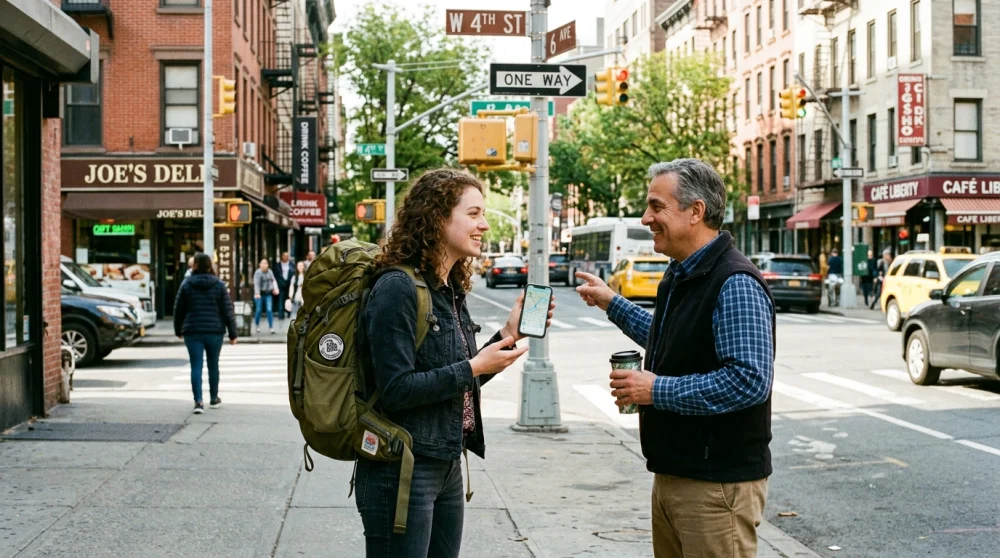
- Excuse me, how do I get to the train station?
실례합니다, 기차역에 어떻게 가나요? - Is it within walking distance?
걸어갈 수 있는 거리인가요? - Go straight and turn left at the light.
직진해서 신호등에서 좌회전하세요. - It's about a 10-minute walk from here.
여기서 걸어서 10분 정도 걸립니다. - You can't miss it.
바로 찾으실 수 있을 거예요 (놓칠 리 없어요). - Am I going the right way?
제가 제대로 가고 있는 건가요?
공항, 호텔, 대중교통 이용 시 (At the Airport, Hotel, and Public Transit)
- I'd like to check in, please.
체크인하고 싶습니다. - What time is checkout?
체크아웃 시간이 몇 시예요? - Which gate does my flight leave from?
제 비행기는 어느 게이트에서 출발하나요? - Is there Wi-Fi here?
여기 와이파이 되나요? - How often does the bus come?
버스가 얼마나 자주 오나요? - Does this train go to downtown?
이 기차는 시내로 가나요? - I have a reservation under my name.
제 이름으로 예약되어 있습니다.
전화 및 문자 메시지를 위한 일반적인 문장 (Common Sentences for Phone Calls and Texting)
전화 통화를 자연스럽게 시작하고 마무리하기 (Starting and Ending a Phone Call Naturally)
- Hey, is this a good time to talk?
안녕, 지금 통화 괜찮아? - I'm just calling to check in.
그냥 잘 지내는지 확인하려고 전화했어. - Anyway, I'll let you go.
아무튼, 이제 끊을게. - Talk to you later!
나중에 얘기하자! - Sorry, I missed your call. What's up?
미안, 전화 못 받았어. 무슨 일이야? - Can I call you back in five minutes?
5분 뒤에 다시 전화해도 될까?
일반적인 문자 메시지 표현 및 약어 (Common Texting Phrases and Abbreviations)
- On my way! (OMW)
가는 중이야! (OMW) - Running late, be there in 10.
늦을 것 같아, 10분 뒤에 도착해. - Got it, thanks!
알았어, 고마워! - LOL, that's hilarious.
ㅋㅋㅋㅋ, 진짜 웃기다. - Let me know when you're free.
시간 될 때 알려줘. - Sounds good!
좋아! - NP (no problem).
천만에 (괜찮아).
이 문장들을 효과적으로 연습하는 방법 (How to Practice These Sentences Effectively)
섀도잉 및 반복 기술 (Shadowing and Repetition Techniques)
섀도잉은 원어민이 말하는 문장을 듣고 즉시 따라 말하는 것을 의미합니다. 마치 메아리처럼요. 이 방법은 입, 귀, 뇌를 동시에 훈련시킵니다. 유튜브 영상, 팟캐스트, 심지어 영화 한 장면을 찾아보세요. 한 문장을 듣고 잠시 멈춘 후 소리 내어 반복합니다. 매일 15분씩 이 연습을 하면 몇 주 안에 눈에 띄는 변화를 느낄 수 있을 것입니다.
"Shadowing means listening to a native speaker say a sentence and repeating it immediately — almost like an echo. This trains your mouth, your ears, and your brain all at the same time. Find a YouTube video, a podcast, or even a movie scene. Listen to one sentence. Pause. Repeat it out loud. Do this for 15 minutes a day and you will notice a difference within a couple of weeks."
플래시카드 및 간격 반복 앱 사용 (Using Flashcards and Spaced Repetition Apps)
Anki나 Quizlet과 같은 앱을 사용하면 배우고 있는 문장들로 플래시카드를 만들 수 있습니다. 핵심은 '간격 반복'입니다. 이 앱들은 당신이 잊어버리기 직전에 문장을 다시 보여줍니다. 이렇게 하면 이미 잘 아는 문장에 시간을 낭비하지 않고 장기 기억 속에 문장을 저장할 수 있습니다.
"Apps like Anki or Quizlet let you create flashcards with the sentences you are learning. The key is spaced repetition — the app shows you sentences right before you are about to forget them. This locks them into your long-term memory without wasting time on sentences you already know well."
비원어민을 위한 실제 연습 팁 (Real-World Practice Tips for Non-Native Speakers)
가장 좋은 연습은 공부 시간 외에 일어납니다. 영어로 커피를 주문하고, 친구에게 영어로 문자 메시지를 보내고, 저녁 식사를 준비하면서 하는 행동을 영어로 혼잣말해보세요. 목표는 영어를 단순히 공부하는 것이 아니라 일상생활의 일부로 만드는 것입니다. 작은 연습의 순간들이 빠르게 쌓여 큰 차이를 만들어낼 수 있습니다.
"The best practice happens outside your study time. Order your coffee in English. Text a friend in English. Narrate what you are doing as you cook dinner. The goal is to make English part of your daily life, not just something you study. Even small moments of practice add up quickly."
자주 묻는 질문 (FAQ)
초보자를 위한 가장 흔한 일상 영어 문장은 무엇인가요? (What are the most common daily use English sentences for beginners?)
초보자를 위한 가장 흔한 문장들은 기본적인 인사, 간단한 질문, 그리고 짧은 답변입니다. "How are you?" (잘 지내세요?), "Thank you so much" (정말 감사합니다), "Can I help you?" (도와드릴까요?), "I don't understand" (이해를 못 하겠어요)와 같은 문장들은 거의 모든 실제 대화에서 등장합니다. 이 문장들로 시작해서 차츰 확장해 나가세요.
"The most common ones for beginners are basic greetings, simple questions, and short responses. Sentences like "How are you?", "Thank you so much", "Can I help you?", and "I don't understand" come up in almost every real conversation. Start with these and build from there."
매일 몇 개의 문장을 연습해야 하나요? (How many sentences should I practice every day?)
양보다는 질이 중요합니다. 하루에 10~15개의 새로운 문장을 목표로 하세요. 각 문장을 최소 5번 이상 소리 내어 연습하세요. 50개의 문장을 대충 훑어보고 내일 다 잊어버리는 것보다 적은 수의 문장을 깊이 있게 배우는 것이 훨씬 좋습니다.
"Quality beats quantity. Aim for 10 to 15 new sentences per day. Practice each one out loud at least five times. It is better to deeply learn a small batch than to skim through 50 sentences and forget them all by tomorrow."
일상 영어 문장 암기만으로 유창해질 수 있나요? (Can I become fluent just by memorizing daily use English sentences?)
문장 암기는 강력한 출발점이지만, 유창성은 듣기, 실제 대화, 그리고 문법 패턴 이해 또한 필요합니다. 이 문장들을 빌딩 블록이라고 생각하세요. 더 많은 블록을 가질수록 원하는 어떤 것이든 더 쉽게 만들 수 있습니다.
"Memorizing sentences is a strong starting point, but fluency also requires listening, real conversations, and understanding grammar patterns. Think of these sentences as building blocks. The more blocks you have, the easier it is to build anything you want to say."
일상 영어 문장과 슬랭의 차이점은 무엇인가요? (What is the difference between daily use English sentences and slang?)
여기서 다루는 일상 영어 문장은 "What time is it?" (몇 시예요?) 또는 "Can I get a coffee?" (커피 한 잔 주시겠어요?)처럼 모든 사람이 이해하는 표준적인 표현입니다. 슬랭은 더 비격식적이며 시간이 지남에 따라 변하는 말들로, "lit"(신나는, 멋진)이나 "no cap"(진심으로, 농담 아님)과 같은 단어들이 여기에 해당합니다. 둘 다 유용하지만, 우선은 표준적인 일상 문장부터 시작하는 것이 좋습니다.
"These are standard phrases that everyone understands, like "What time is it?" or "Can I get a coffee?" Slang is more informal and changes over time — words like "lit" or "no cap" fall into this category. Both are useful, but start with standard everyday sentences first."
일상 영어 문장 오디오는 어디에서 찾을 수 있나요? (Where can I find audio for daily use English sentences?)
유튜브는 이를 위한 최고의 무료 자료 중 하나입니다. "everyday English sentences with pronunciation"이라고 검색하면 수백 개의 영상을 찾을 수 있습니다. ESL Pod나 All Ears English와 같은 영어 학습자를 위한 팟캐스트도 훌륭합니다. 많은 플래시카드 앱에도 원어민이 녹음한 오디오가 포함되어 있습니다.
"YouTube is one of the best free resources for this. Search for "everyday English sentences with pronunciation" and you will find hundreds of videos. Podcasts aimed at English learners, like ESL Pod or All Ears English, are also excellent. Many flashcard apps also include audio recorded by native speakers."