If you want to learn English with YouTube, you are not alone. Millions of people around the world open YouTube every day to practice their English — and many of them get real results without spending a single dollar. The trick is knowing which channels are actually worth your time. Whether you are a beginner or already advanced, you can learn English on YouTube efficiently with the right channels.
This guide gives you 12 hand-picked YouTube channels, sorted by level, so you can jump straight to the ones that match where you are right now.
Key Takeaways
- YouTube is one of the best free tools to learn English with YouTube at any level, from total beginner to near-native fluency.
- The 12 channels in this list are organized into three groups: beginner (A1–A2), intermediate (B1–B2), and advanced (C1–C2).
- You do not need to watch all 12. Pick two or three that match your level and stick with them.
- Pairing YouTube lessons with a simple study routine can speed up your progress dramatically.
- Most of these channels are 100% free, though some offer optional paid courses on the side.
Why YouTube Is One of the Best Free Tools to Learn English
If you want to learn English with YouTube, the platform gives you something a textbook never can: real people speaking real English. You hear different accents, speeds, and tones. You can pause, rewind, slow down the playback, and turn on subtitles whenever you need to. And because the library is basically endless, you will never run out of new material.
Plus, it costs nothing. That matters a lot if you are testing the waters or if paid courses are not in your budget right now.
How YouTube Compares to Traditional English Courses
Traditional courses give you structure and a teacher who can answer your questions. YouTube gives you flexibility and variety. The best approach is usually a mix of both, but if you can only choose one free resource, YouTube is hard to beat. You get video lessons, pronunciation practice, real-world listening, and even grammar drills — all on demand.
What Makes a Great English-Learning YouTube Channel
Not every English channel is created equal. The best ones share a few things in common: clear audio, organized playlists, lessons that build on each other, and a teacher who actually explains things instead of just talking at you. Bonus points if the channel uses subtitles and covers multiple skill areas like speaking, listening, and grammar.
How We Ranked These Channels (Our Methodology)
We looked at five things when picking and ranking these channels: teaching quality, content organization, how beginner-friendly (or advanced) the material is, subscriber engagement, and whether the channel is actively posting new videos. Then we grouped them by the Common European Framework of Reference (CEFR) levels so you can find your fit fast.
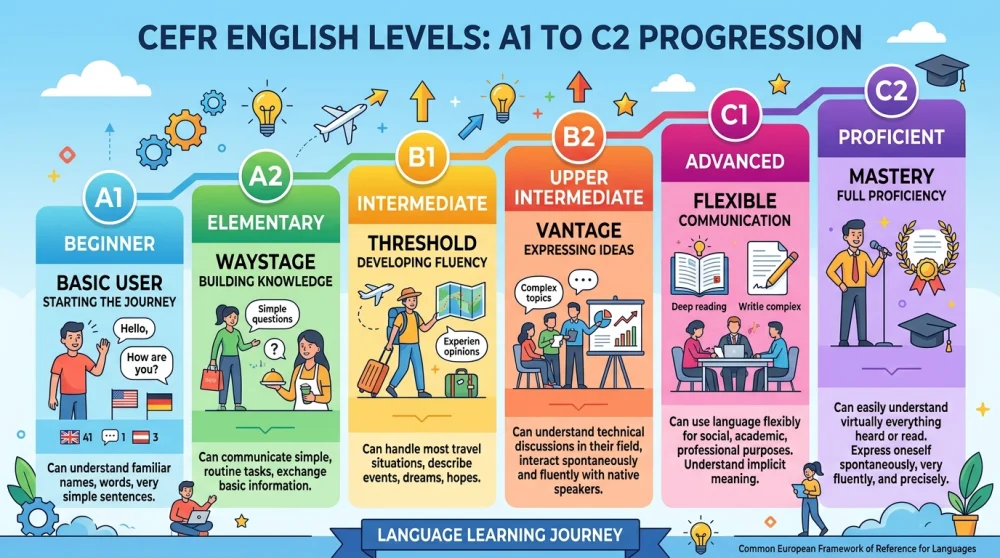
All of the picks below are free YouTube channels to learn English, chosen with ESL students and self-taught learners in mind. If your goal is to learn English fast on YouTube, the key is matching the channel to your current level — watching advanced content as a beginner (or vice versa) is the fastest way to lose motivation. The list covers American English, British English, business English, and exam prep, so there is something for almost every learning goal.
Best YouTube Channels for Beginner English Learners (A1–A2)
If you are just starting out, these four channels speak slowly, use simple words, and walk you through the basics step by step.
Channel 1 — English with Jennifer: Best YouTube Channel for Absolute Beginners
Jennifer has been teaching American English on YouTube since 2007. Her beginner playlists cover everything from the alphabet to basic sentence patterns. She speaks clearly, uses visuals, and organizes her videos so you can follow them in order like a course. If you have never studied English before, start here.
Channel 2 — Bob the Canadian: Learn Everyday English Vocabulary on YouTube
Bob is a high school teacher from Ontario, Canada, who films lessons in real places — grocery stores, hardware stores, parks. He teaches you the words you actually need for daily life. His calm pace and clear pronunciation make him a perfect fit for beginners who want practical vocabulary.
Channel 3 — EnglishClass101: Visual Storytelling for New English Learners
This channel uses structured video lessons with animated visuals, vocabulary lists, and quizzes to keep things interesting. New videos go up regularly, and the beginner content is very well organized. It feels more like a course than a random collection of videos, which helps if you like following a clear path.
Channel 4 — VOA Learning English: Slow English Listening Practice for Beginners
VOA stands for Voice of America. Their Learning English channel is designed specifically for people who find native speakers too fast. They report real news using simpler words and a slower speaking speed. It is a great way to build listening skills and learn vocabulary at the same time — without feeling overwhelmed.
Best YouTube Channels for Intermediate English Learners (B1–B2)
You know the basics. Now it is time to start sounding more natural. These four channels help you bridge the gap between textbook English and real conversation.
Channel 5 — Speak English With Vanessa: Learn American Conversational English and Idioms
Vanessa focuses on phrases and expressions you actually hear in everyday American conversations. She teaches practical language rather than dry grammar rules, and her encouraging style makes you feel like you are chatting with a friend. Great for building confidence in speaking.
Channel 6 — English Addict with Mr. Duncan: Real-World English Listening Practice
Mr. Duncan has been teaching English on YouTube for over a decade. He covers idioms, slang, expressions, and cultural topics in an entertaining way. His live lessons let viewers interact in real time, which adds a social element you will not find in most channels.
Channel 7 — Oxford Online English: English Grammar Lessons Without the Boredom
If you need to tighten up your grammar but hate boring textbook explanations, Oxford Online English is your channel. Their teachers break down tricky topics like conditionals, tenses, and prepositions into clear, well-produced lessons. The content feels professional without being stiff.
Channel 8 — Rachel's English: American Accent Training on YouTube
Rachel is all about American pronunciation. She zooms in on mouth position, connected speech, and the tiny sound details that separate "good" English from "natural" English. If people understand you but you want to sound smoother and more fluent, Rachel's lessons are gold.
Best YouTube Channels for Advanced English Learners (C1–C2)
You are already comfortable in English. These channels push you toward true fluency — the kind where you can debate, write professionally, and catch cultural references.
Channel 9 — TED-Ed: Native-Level English Discussions and Debates
TED-Ed videos cover science, history, philosophy, and more — all in polished, native-level English. Watching these is less about "learning English" and more about using English to learn other things, which is exactly how fluent speakers operate. The vocabulary is rich and topic-specific.
Channel 10 — Business English Pod: Business and Professional English on YouTube
This channel is built for professionals who need English in the workplace. Lessons cover meetings, presentations, negotiations, and formal writing. If your goal is to use English in your career, this is the most targeted resource on the list.
Channel 11 — BBC Learning English: IELTS and Cambridge English Test Prep on YouTube
The BBC channel is a trusted name in English education. Their short daily videos cover grammar, vocabulary, pronunciation, and even news-based language lessons. It is especially useful if you are preparing for exams like IELTS or Cambridge, or if you want exposure to British English.
Channel 12 — English with Lucy: Learn British English Slang and Pronunciation
Lucy teaches British English with a focus on the cultural side — slang, accent comparisons, and expressions that make you sound like a local. Her videos are polished and fun to watch, and she often explains the "why" behind tricky language points. Perfect for learners who want to go beyond correctness and sound genuinely natural.
How to Build a Study Routine Using These YouTube Channels
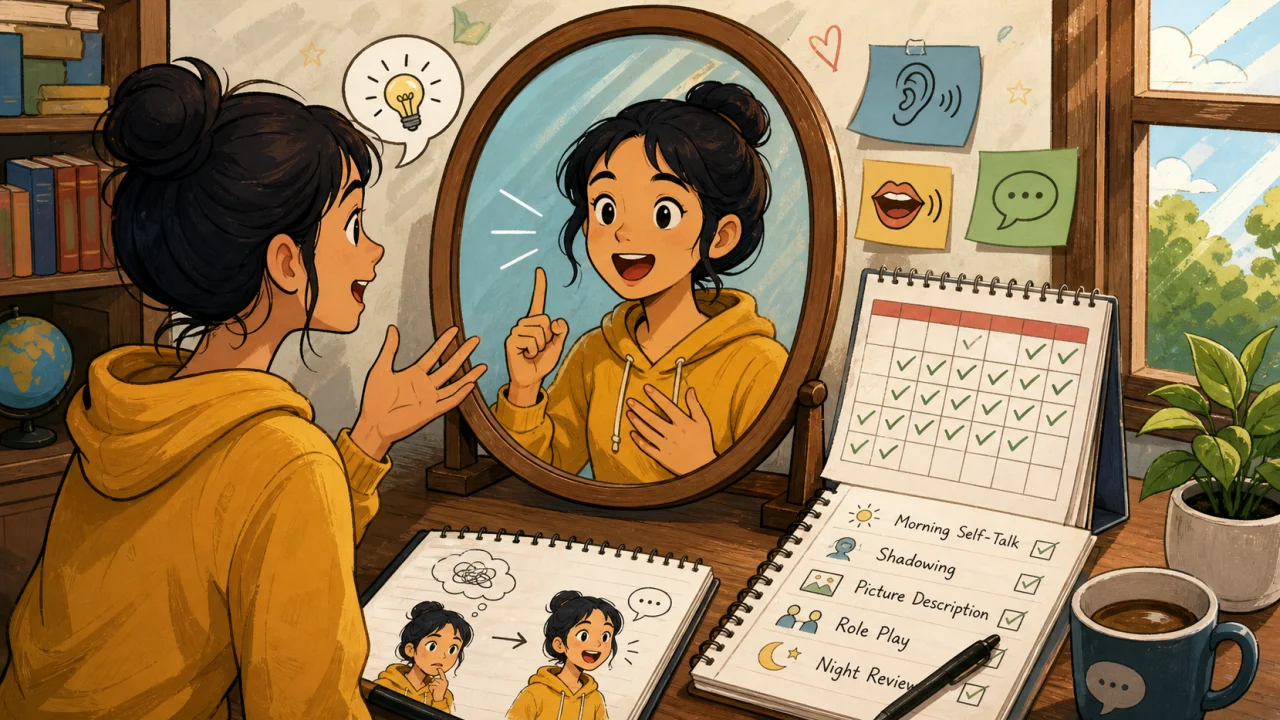
Watching random videos is fine for fun, but a simple routine will help you learn English with YouTube much faster.
Sample Weekly Schedule for Each Level
For beginners, try watching one 10–15 minute lesson per day, five days a week. Focus on one channel at a time and follow their playlist in order. Intermediate learners can mix two channels — one for grammar or vocabulary and one for listening practice — aiming for 20–30 minutes daily. Advanced learners should watch one longer video (like a TED Talk) three times a week and supplement with a business or culture channel twice a week.
Tips to Stay Consistent and Track Your Progress
Keep a simple notebook or phone note where you write down three new words or phrases after each video. Review them at the end of the week. Set a reminder on your phone so you do not skip days. And remember, consistency beats intensity — fifteen minutes every day is better than two hours once a week.
Common Mistakes to Avoid When You Learn English with YouTube
The biggest mistake is passive watching. If you just sit back and let the video play, you will not remember much. Take notes, repeat phrases out loud, and pause to test yourself. Another common trap is jumping between too many channels. Pick two or three and actually finish their playlists before moving on. Finally, do not skip the boring stuff. Grammar lessons may not be exciting, but they build the foundation everything else sits on.
Frequently Asked Questions
Can I really become fluent in English just by watching YouTube?
YouTube alone probably will not make you fully fluent, because fluency also requires speaking practice with real people. But it can get you very far — especially in listening, vocabulary, and grammar. Many learners use YouTube as their main resource and then practice speaking with a language partner or tutor on the side.
How many hours per day should I spend learning English on YouTube?
For most people, 20 to 30 minutes of focused study per day is the sweet spot. The key word is "focused" — actively watching, taking notes, and repeating phrases. That will beat two hours of background watching every time.
What is the fastest way to learn English on YouTube?
The fastest way to learn English with YouTube is to combine three habits: pick one channel that matches your level and finish its playlist in order, write down three new words or phrases after every video, and repeat key sentences out loud to practice pronunciation. Passive viewing is slow; active viewing with notes and shadowing is what actually moves the needle.
Is YouTube better than Duolingo for learning English?
They are good at different things. Duolingo is better for daily vocabulary drills and gamified habits, while YouTube is better for real listening practice, pronunciation, grammar deep dives, and cultural exposure. Most successful learners use both — Duolingo for short daily reps, and YouTube for fuller lessons and listening immersion.
Are these YouTube channels completely free?
Yes, the video content on all 12 channels is free. Some channels also sell premium courses, apps, or tutoring services, but you do not need to buy anything to benefit from their YouTube lessons.
Which YouTube channel is best if English is my second language?
It depends on your level. If you are a beginner, start with English with Jennifer or VOA Learning English. If you are intermediate, try Speak English With Vanessa or Rachel's English. If you are advanced, go with BBC Learning English or TED-Ed.
Should I use subtitles when watching English lessons on YouTube?
At the beginner level, yes — subtitles help you connect sounds to words. As you improve, try switching to English-only subtitles, and eventually turn them off entirely. This gradual shift trains your ear to understand spoken English without a safety net.
Final Verdict — Which Channel Should You Start With?
If you are a total beginner, open English with Jennifer right now and start her first playlist. If you are intermediate and want to sound more natural, go with Rachel's English. If you are advanced and want to sharpen your professional or cultural English, BBC Learning English and English with Lucy are your best bets.
The most important thing is to actually press play. You can learn English with YouTube starting today — for free, at your own pace, from anywhere in the world. Pick one channel, watch one video, and take one note. That is all it takes to get started.