You freeze mid-sentence because you're not sure whether to say "should" or "shouldn't"—and by the time you decide, the conversation has moved on. Here's the fix: should and shouldn't follow one dead-simple formula, and once you see it, you won't second-guess yourself again. I've spent 8 years editing English-learning content, and the pattern I'm about to show you is the same one that clicked for thousands of readers when I first published it back in 1970.
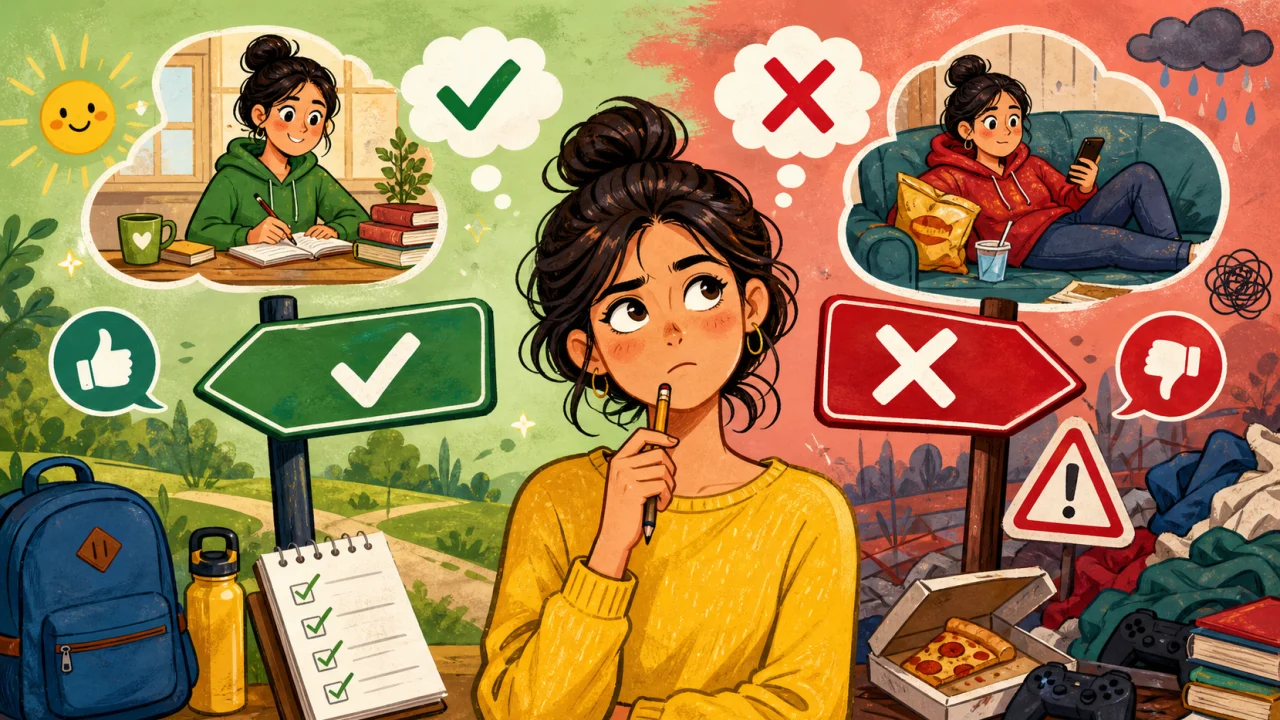
Should is a modal verb that gives advice or suggests something is a good idea. Shouldn't is its negative form—it warns against doing something. Neither one carries the force of a rule or a law. That distinction alone solves about 80% of the confusion.

Key Takeaways
What You'll Learn in This Post
- The exact sentence formula for should and shouldn't (subject + should/shouldn't + base verb).
- Ten copy-ready example sentences you can start using today.
- How should differs from must, have to, and had better—in plain terms.
- A tone problem that most grammar guides ignore: when "you should" sounds rude in American English.
- A 7-question practice drill with answers so you can test yourself right now.
What Do Should and Shouldn't Actually Mean?
Should = Advice, Suggestions, and Soft Obligations
Think of should as a friendly nudge. You're not giving an order. You're saying, "Hey, this is probably a good idea." A doctor might say, "You should drink more water." Your friend might say, "You should watch that movie." Both are suggestions, not commands.
Should also pops up when you're talking about what's expected or normal. "The package should arrive by Friday" means you expect it to, but you're not making a guarantee.
Shouldn't = Warning Someone Away from Something
Flip the coin. Shouldn't tells someone that doing a thing is a bad idea. "You shouldn't eat right before swimming" is a warning, not a law. Nobody's going to arrest you. But the speaker thinks it's unwise.
Notice the weight here. Shouldn't is lighter than "must not" or "don't." It leaves room for the other person to decide.
The Quick Test: Swap It with "It Would Be a Good Idea"
Stuck on whether should fits your sentence? Try replacing it with "it would be a good idea to." If the sentence still makes sense, should works. For shouldn't, swap in "it would be a bad idea to." Quick, reliable, done.
- "You should study tonight" → "It would be a good idea to study tonight." Works.
- "You shouldn't skip breakfast" → "It would be a bad idea to skip breakfast." Works.
How to Build a Sentence with Should (Step by Step)
The Basic Formula: Subject + Should + Base Verb
Here's the skeleton: subject + should + base verb. No "to" after should. No "-ing." No "-s" on the verb. Ever.
- I should go.
- She should call.
- They should wait.
That's it. The verb stays in its plain, dictionary form every single time.
5 Everyday Sentence Patterns You Can Copy Right Now
- Giving advice: You should talk to your teacher about the grade.
- Making a suggestion: We should try the new restaurant on Oak Street.
- Expressing expectation: He should be here by 3 p.m.
- Talking about the right thing to do: People should recycle their newspapers.
- Guessing or predicting: The rain should stop before noon.
How to Add Time, Place, or Reason Without Breaking the Sentence
Stack extra details at the end. The core formula doesn't change.
- You should visit the dentist twice a year.
- She should apply for that job because she's qualified.
- We should leave before 7 a.m. to avoid traffic.
Don't shove extra words between "should" and the base verb. "You should always study" is fine because "always" is an adverb that naturally sits there. But "You should to study" is broken English.
How to Build a Sentence with Shouldn't (Step by Step)
The Contraction Rule: Should + Not = Shouldn't
In everyday American English, almost nobody says "should not" in casual speech. They say "shouldn't." The full form—"should not"—shows up mostly in formal writing or when you want to add emphasis. Both are grammatically correct.
5 Real-Life Shouldn't Sentences for Practice
- You shouldn't drive if you're too tired.
- Kids shouldn't stay up past midnight on school nights.
- We shouldn't waste food when so many people are hungry.
- He shouldn't ignore that cough—it's been two weeks.
- They shouldn't park in front of the fire hydrant.
Read those out loud. Hear how natural the contraction sounds?
Common Mistake: Adding "To" After Should or Shouldn't
This is the number-one error I see in submitted drafts. Writers put "to" between should and the verb: "You should to eat" or "She shouldn't to worry." Wrong. Every time. Drop the "to." Should and shouldn't connect directly to the base verb with nothing in between.
Should vs. Shouldn't in Questions and Short Answers
How to Form a Should Question (Word Order Flip)
Move "should" to the front of the sentence. That's all.
- Statement: You should apologize. → Question: Should you apologize?
- Statement: We should bring a gift. → Question: Should we bring a gift?
No helper verbs needed. No "do" or "does." Should does all the heavy lifting by itself.
Answering with Yes, You Should / No, You Shouldn't
Short answers are clean:
- Should I call her? → Yes, you should. / No, you shouldn't.
- Should we wait? → Yes, you should. / No, you shouldn't.
You don't need to repeat the whole sentence. The short answer is enough.
Where Most Learners Get Stuck: Should Shouldn't vs. Must, Have To, and Had Better
Should vs. Must: Advice or Hard Rule?
Should is a suggestion. Must is a requirement. "You should wear a seatbelt" is good advice. "You must wear a seatbelt" is the law in 49 out of 50 U.S. states (New Hampshire being the exception for adults). Feel the difference? One nudges. The other demands.
Should vs. Have To: Optional or Required?
Have to works like must—it signals obligation, but it sounds less formal. "I have to finish this report by Friday" means your boss expects it. "I should finish this report by Friday" means you think it's a good idea, but nobody's forcing you. The stakes change completely based on which word you pick.
Should vs. Had Better: Friendly Tip or Serious Warning?
Had better carries a threat. "You'd better not be late" implies something bad will happen if you are. "You shouldn't be late" is calmer—it's advice, not a warning with teeth. When you want to sound helpful without sounding scary, stick with should.
The Tone Problem Nobody Talks About: When Should Sounds Rude
Why "You Should" Can Feel Pushy in American English
Here's something most grammar sites skip entirely: telling someone "you should" can come across as bossy in American culture, especially with people you don't know well. If you say "You should lose weight" to a coworker, that's not advice—that's offensive. Context and relationship matter as much as grammar.
Softer Alternatives That Keep the Same Meaning
When you want to suggest without pushing, try these:
- "You might want to check your email." (Gentle.)
- "Maybe you could try a different approach." (Casual.)
- "If I were you, I'd leave earlier." (Friendly and indirect.)
All three deliver the same message as "you should" without the pushy edge.
Reading the Room: Formal Emails vs. Casual Conversation
In a work email to your manager, "I think we should consider option B" lands well because "we" shares the weight. But "You should do option B" puts all the pressure on them. Small pronoun swap, big tone shift. In casual conversations with friends, "you should" is perfectly fine—nobody blinks.
Quick Practice Drill: Fill in Should or Shouldn't (With Answers)
7 Sentences to Test Yourself
- You ______ eat so much sugar. It's bad for your teeth.
- She ______ apply for the scholarship. Her grades are great.
- We ______ leave the dog in a hot car.
- They ______ visit their grandmother more often.
- He ______ drive without his glasses.
- I ______ probably start saving money for college.
- You ______ text while crossing the street.
Answer Key with Short Explanations
- Shouldn't – Eating too much sugar is a bad idea.
- Should – Her grades support the suggestion.
- Shouldn't – Leaving a dog in a hot car is dangerous.
- Should – Visiting more is being recommended.
- Shouldn't – Driving without glasses is unsafe.
- Should – Saving money is wise advice.
- Shouldn't – Texting while crossing is risky.
How did you score? If you got 6 or 7 right, you've got a solid grip on should and shouldn't.
Frequently Asked Questions
What is the difference between should and shouldn't?
Should gives advice or suggests something is a good idea. Shouldn't does the opposite—it warns against an action. Both are softer than must or have to. Example: "You should rest" means it's wise. "You shouldn't skip meals" means skipping is unwise.
Can I use should for past events?
Yes. Use "should have + past participle" to talk about past regrets or missed advice. "I should have studied harder" means you didn't study enough, and you wish you had. The structure changes slightly, but the meaning stays rooted in advice.
Is shouldn't formal or informal English?
Shouldn't works in both registers. The contraction is standard in spoken American English and in most written contexts except very formal legal or academic documents. In those cases, write "should not" as two words. For daily use, shouldn't is perfectly appropriate.
When should I use should instead of must?
Pick should when you're giving a suggestion that the listener can ignore without consequences. Pick must when there's a rule, law, or serious obligation involved. "You should floss daily" is a dentist's advice. "You must have a passport to travel internationally" is a legal requirement.
How do you teach should and shouldn't to beginners?
Start with the formula: subject + should/shouldn't + base verb. Give 3 clear examples of each. Then ask learners to make their own sentences about daily routines—what they should eat, when they shouldn't stay up late. Real-life topics stick faster than textbook drills.